How Coastal Salt Air Affects Pool Repairs and Equipment in Charleston SC
Coastal salt air is one of the most underestimated threats to pool equipment in the Charleston, SC, area. The humid, salt-laden breeze off the Atlantic works its way into pump motors, heaters, fittings, and control panels, quietly accelerating corrosion season after season. If your pool sits on James Island, Johns Island, or a barrier island like Kiawah or Seabrook, this matters.
What Salt Air Actually Does to Pool Equipment
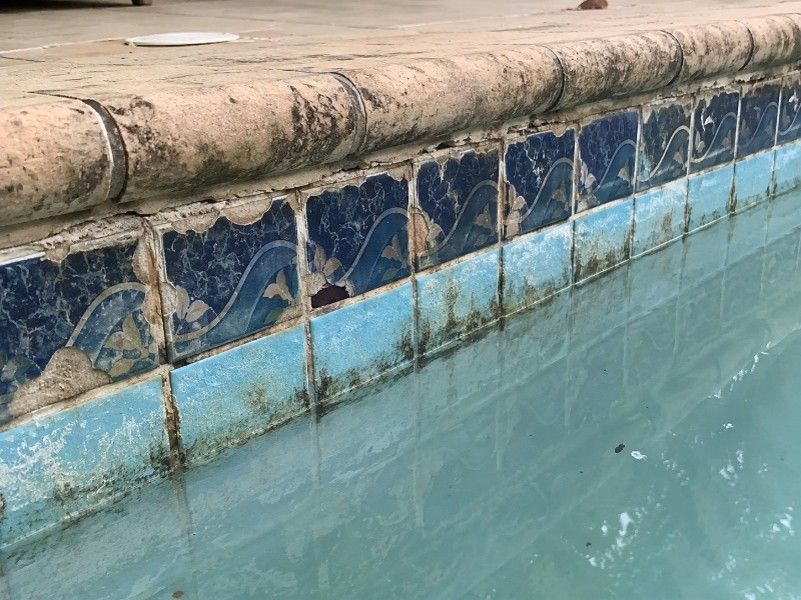
Salt aerosol settles on every exposed surface around your pool. When it lands on metal components, it triggers an electrochemical process that breaks down protective coatings and base metals far faster than inland conditions would. Pool Repairs related to corrosion are among the most common service calls across the Charleston, SC, Lowcountry for exactly this reason.
The equipment most vulnerable to salt-air damage includes pump motors, where salt moisture corrodes windings and bearings; copper or cupronickel heater heat exchangers, which react to salt aerosol and chlorinated water together; metal fittings, unions, and clamps that leak once surface rust spreads; automation and control panels with compromised electrical contacts; and ladders and handrails that suffer crevice corrosion at bolt joints even in stainless steel.
Kiawah Island and Seabrook Island pool owners face some of the most intense exposure in the region. Properties within a quarter mile of the ocean may see equipment deteriorate noticeably faster than pools farther inland toward West Ashley or North Charleston.
How Often Should You Inspect Equipment in a Coastal Environment?
Coastal pools need more frequent inspections than the industry standard. A once-per-year inland schedule is rarely adequate in the Charleston, SC, salt-air zone.
For barrier island and near-coast properties, a practical cadence includes a visual check of exposed metal fittings, pump housing, and heater casing for rust, salt deposits, or pitting every three to four months; a hands-on inspection of pump motor vents, conduit entry points, and automation panel seals every six months; and an annual audit of heater performance, pump motor amperage draw, and coating condition.
Catching early corrosion at the three-month visual stage can mean the difference between a minor cleaning and a full motor replacement. Repairs caught early are almost always less costly than those addressed after a component fails.
Material Upgrades That Help Coastal Pools Last Longer
Switching to corrosion-resistant materials is one of the most effective ways to reduce the frequency of Pool Repairs on coastal properties.
Titanium or polymer heater heat exchangers hold up far better in salt-rich environments than standard copper units, and many manufacturers now offer salt-air rated models for coastal climates. PVC and CPVC fittings in place of metal threaded fittings reduce corrosion entry points considerably. Sealed automation panels rated for marine environments protect control systems that standard residential panels cannot. For ladders and rails, 316L-grade stainless steel resists chloride attack better than the 304-grade hardware in most pool products, a worthwhile upgrade on barrier island properties.
Applying a marine-grade corrosion inhibitor spray to exposed equipment housing and metal connections at the start and end of each pool season is a simple step many coastal homeowners overlook.
Maintenance Adjustments for Coastal Pool Owners
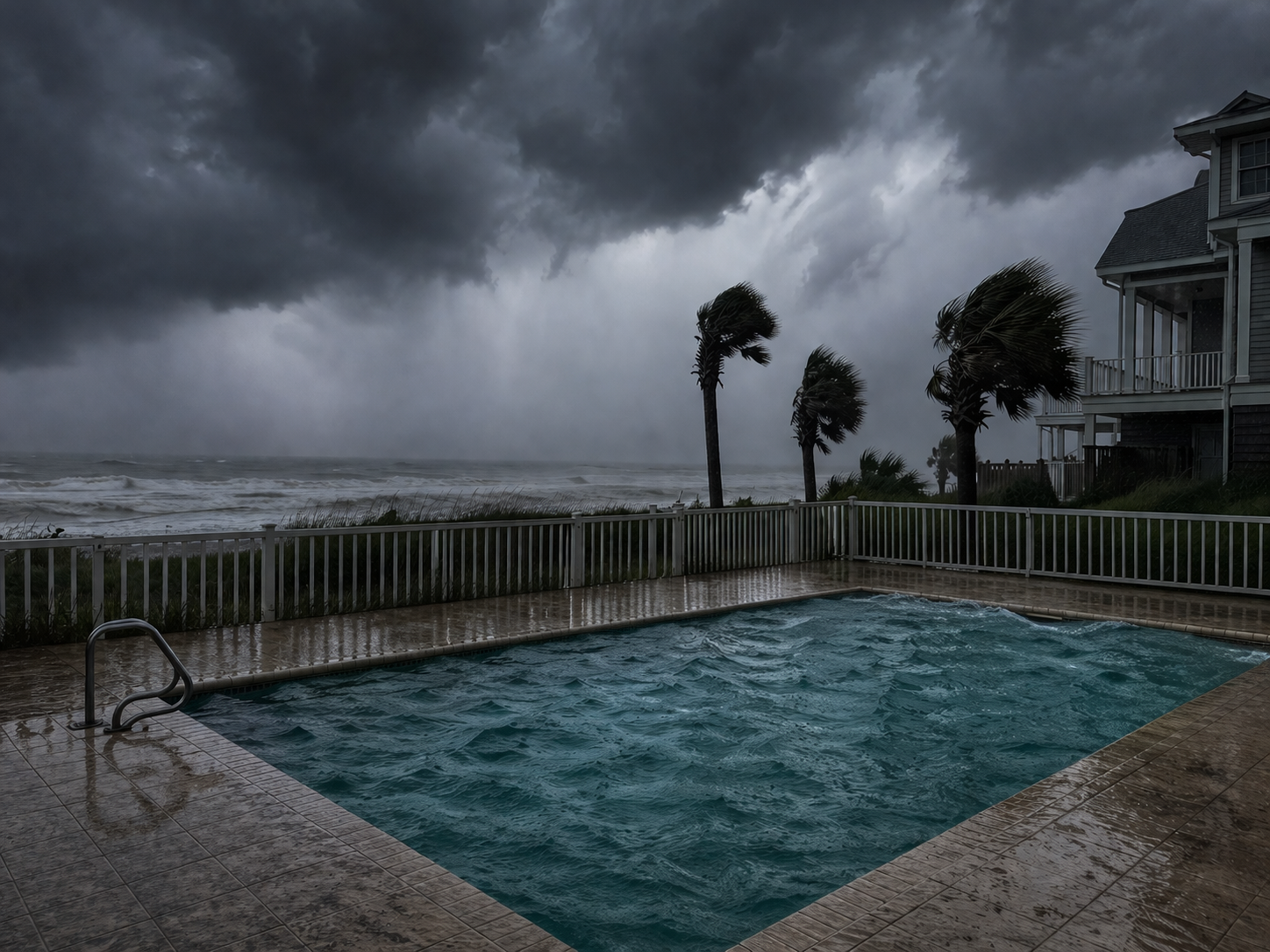
Rinsing the equipment pad and surrounding hardscape with fresh water periodically, particularly after heavy wind events, helps remove accumulated salt aerosol. This is especially relevant for James Island and Charleston Peninsula owners when onshore winds pick up ahead of summer storms.
Keep pool water chemistry tightly balanced. Water low on pH or calcium hardness turns aggressive toward metal, compounding the corrosive effect of salt air. Consistent chemistry testing reduces the likelihood of chemistry-related damage on top of corrosion.
Ensure the equipment pad has adequate drainage and airflow. Salt moisture that collects in enclosed or poorly ventilated areas accelerates corrosion significantly. Check and renew protective coatings on metal anchors, railings, and structural fittings annually; marine-grade primers and topcoats can add years of life.
Does Salt Air Affect Saltwater Pools Differently Than Chlorine Pools?
Both pool types are equally exposed to ambient salt air. A pool's own salt system does not meaningfully raise external atmospheric salt levels, so environmental corrosion risk applies to every pool type in coastal areas.
Can I Tell If Salt Air Has Already Damaged My Equipment?
Common signs include white or orange crusting around fittings and pump housings, unusual motor noise, reduced heater output, and difficulty with automation controls. A professional inspection can identify corrosion not visible from outside the components. Requesting Pool Repairs as soon as these signs appear helps prevent secondary damage to surrounding equipment.
Are Pool Repairs from Salt-Air Damage Covered by Equipment Warranties?
Most manufacturer warranties exclude corrosion damage caused by environmental exposure, including coastal salt air. Review your specific warranty terms, and document your maintenance schedule in case a claim is ever disputed.
Get Expert Help Serving Charleston, SC
Salt air does not have to take years off your pool equipment. With the right inspection schedule, smart material choices, and consistent maintenance habits, you can protect your investment and keep your pool running reliably.
If you're seeing signs of corrosion, noticing performance drops, or simply want a professional eye on your pool before problems develop,
Clear Blue Pools & Spas, LLC Inc is ready to help. Call
(843) 300-4143 or
contact us online to request a free quote. You can also explore
pool construction and renovation services to see the full range of work available for Lowcountry pool owners.